Want to live a longer, better life? Here are some tips.

We can’t stop the clock, but we can take simple steps towards a longer, healthier life.

For that purpose, we combed through KrisWorld’s wellness library, parsing the wisdom shared in programmes such as How to Live to 100Do You Want to Live Forever?, and Staying Younger for Longer to bring you some of the key tips to ageing with grace.

These programmes skip the wellness cliches and instead deliver real, evidence-based information and science-backed hacks for staying vibrant and healthy longer. They prove movement, mindset, and meals are more powerful than any magic potion.

Here are some simple, oh-so-doable lifestyle tweaks recommended by the shows that you can add years to your life — all while keeping things fun.

1) Move Like You Mean It
Find running a bore? Can’t bring yourself to lift weights at the gym? Forget these dogmatic fitness myths about ways to remain healthy — the magic is in doing movements that you enjoy. Daily walks, dancing in your kitchen, push-ups at home, or light cycling to the shops are all good alternatives that help keep your joints oiled, muscles engaged, and heart happy.

Whatever activity you choose, aim for a mix of cardio (to get your blood pumping) and resistance training (to keep bones and muscles strong). Bonus points if you move outdoors — fresh air and sunshine come with a side of vitamin D and mood-boosting benefits.

The science also shows that putting the body through brief moments of physical stress, such as high-intensity interval training (HIIT), amplifies cellular repair. Specifically, it rejuvenates mitochondria (the power plants of our cells), essentially reversing cellular decline.

But HIIT is very fatiguing, and doing too much will hamper recovery. If your body is struggling to bounce back from an exercise session, it’s perhaps time to take it easy. Remember: consistency beats intensity every time. 

2) Eat the Rainbow
Think colourful, plant-heavy plates; the kind that look like a mouth-watering food magazine spread. Load up on vegetables, fruits, whole grains, nuts, and lean proteins. Limit the ultra-processed stuff that your great-grandmother wouldn’t recognise as food. Omega-3-rich fish like salmon and antioxidant-packed berries are your new best friends. And remember: food is more than fuel! Slow down, savour, and take time sharing it with your loved ones. Nourishing the mind and the soul at the same time does wonders for longevity.

3) Stress Less, Live More
A little stress can sharpen you up, but a lot will wear you down in no time at all. Learn to spot your stress triggers and counteract them with healthy coping tools like meditation, deep breathing, a walk in nature, or just saying “no” more often. Try it — your nervous system will thank you for it. Long-term stress floods the body with hormones that age you from the inside out, so protecting your peace isn’t indulgent, it’s essential maintenance.

4) Keep Your Brain in Play
Your brain loves novelty, and not just in the try-a-new-coffee-this-week kind of way. Learning a new language, picking up a musical instrument, or tackling a tricky puzzle are fun ways that keep your neural pathways firing and agile. The Sydney Centenarian Study (led by Prof Perminder Sachdev), a study on the brain’s resilience to neuropathological damage, found that pursuing mentally stimulating hobbies throughout your life has a much stronger protective effect on late-life cognition than static factors like your early years of formal education, proving that it is truly never too late to start stimulating your brain. 

Think of your brain like a muscle: if you don’t use it, you lose it.

5) Socialising and Music Ward Off Cognitive Decline
When it comes to keeping your brain healthy, mental activity isn’t the only factor. Social connection plays a big role, too. Chatting with friends or engaging in community activities stimulates the mind and keeps it engaged.

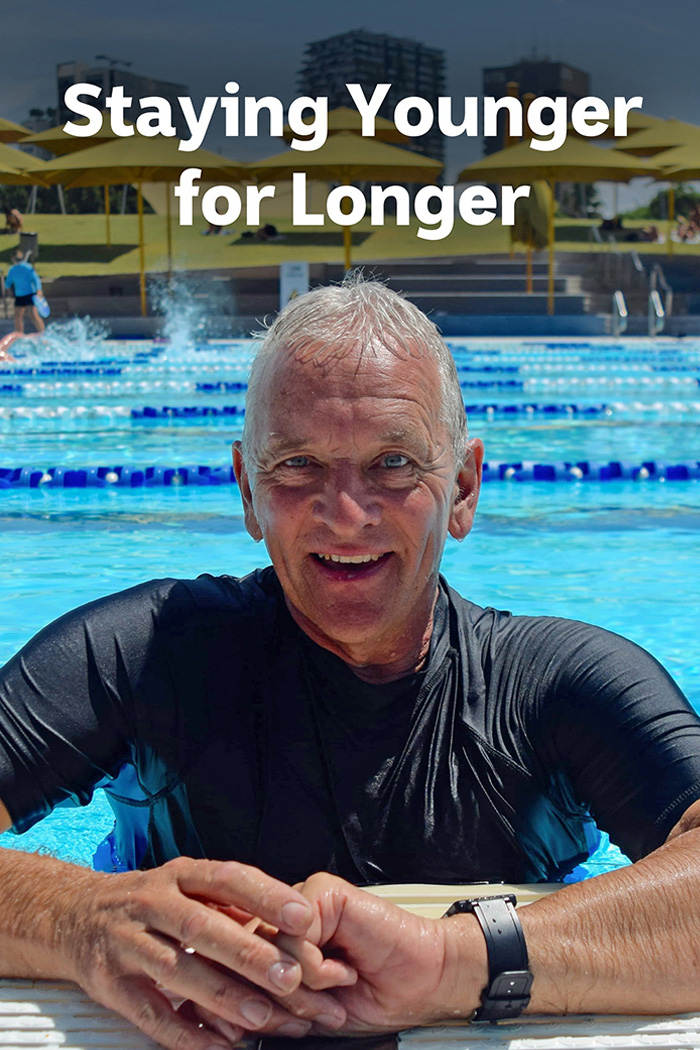
And so does music. Staying Younger for Longer highlights a fascinating six-week clinical experiment filmed at an aged care facility, where music therapist Pete McDonald ran structured music therapy sessions twice a week. Neuroscientist Dr Sarah McKay tracks the data, showing that the increased socialisation and musical engagement significantly lowered the participants’ stress and cortisol levels. This biochemical shift slows down cell damage, improves sleep quality, and lowers the risk factors associated with age-related cognitive diseases.

6) Sleep Like It’s Your Job
Skimping on sleep is like skipping oil changes for your car — you might get away with it for a while, but the damage adds up. The trick is aiming for seven to nine hours of quality rest each night. To get yourself ready for a good night’s sleep, create a wind-down routine that invites you to breathe deeply and relax every muscle in your body. Dim the lights, forgo screens an hour before bed, read a book, or enjoy a cup of calming tea. Quality sleep repairs your body, consolidates memories, and balances hormones; basically, it’s free medicine! Treat it like the non-negotiable it is.


TV Show Listing
Staying Younger For Longer

In this enlightening two-part series, we find out the secrets to keeping both our bodies and brains healthy into old age.

View Details
TV Show Listing
How to Live to 100

A fascinating look at how people live long, healthy lives in three very different communities around the world. 74 year old TV Journalist, Jon Snow, travels to communities across Europe, Asia and America in search of the places where residents are living ten years longer than average to find out the secrets to a long, happy and healthy life.

View Details
TV Show Listing
Do You Want To Live Forever?

The quest for longer life, and an end to disease, is perhaps the ultimate frontier in biological science. But despite this, most scientific and medical endeavour in the past has been directed towards treating sickness and disease. It hasn’t addressed the underlying cause, which for most diseases, is ageing itself. Now for the first time in human history, science and technology are catching up to the dream of living forever. It’s become the new space race and no expense is being spared. In this ground-breaking new four-part documentary series – Do You Want to Live Forever? - hosts Tracy Grimshaw and Dr Nick Coatsworth will look at the extraordinary advances in medicine and science that are just a few years away from defeating the worst ravages of ageing. It’ll be a deep dive into the science of longevity and explore four big questions: why we die; how science can help us wind back our biological clocks; how we may one day be able to cure previously incurable diseases; and what living forever might look like. As part of the documentary investigation, the program will take four pairs of everyday Australians through a series of medically-supervised trials and health interventions that may provide clues to help us live longer.

View Details

Text: Arista Kwek and Raymond Tan
Images: Unsplash (Jaddy Liu, Doan Anh, Derek Lee, Centre for Ageing Better), Pexels (Kampus Production, Vanessa Loring, SHVETS production)