Let’s face it: we’re living in a sleep-deprived world. Too many late-night Netflix binges (we see you), too many ‘I’ll rest more tomorrow’ excuses, and way too little respect for the fact that our bodies need adequate quality shut-eye to function. Sleep isn’t just about avoiding yawns; it’s linked to everything from sharper focus and better moods to lowering your risk of heart attacks.
Constantly tired? Having trouble getting quality shut-eye? Here are some tips to supercharge your sleep regime.
Bad sleep can even mess with life in disruptive ways, from causing zombie-like brain fog to making you nod off behind the wheel.
But good news if you’re an insomniac: there are science-backed strategies to transform your nights (and life). Here are five hacks to supercharge your slumber and give you deeper, better rest.
1) Reset Your Body Clock
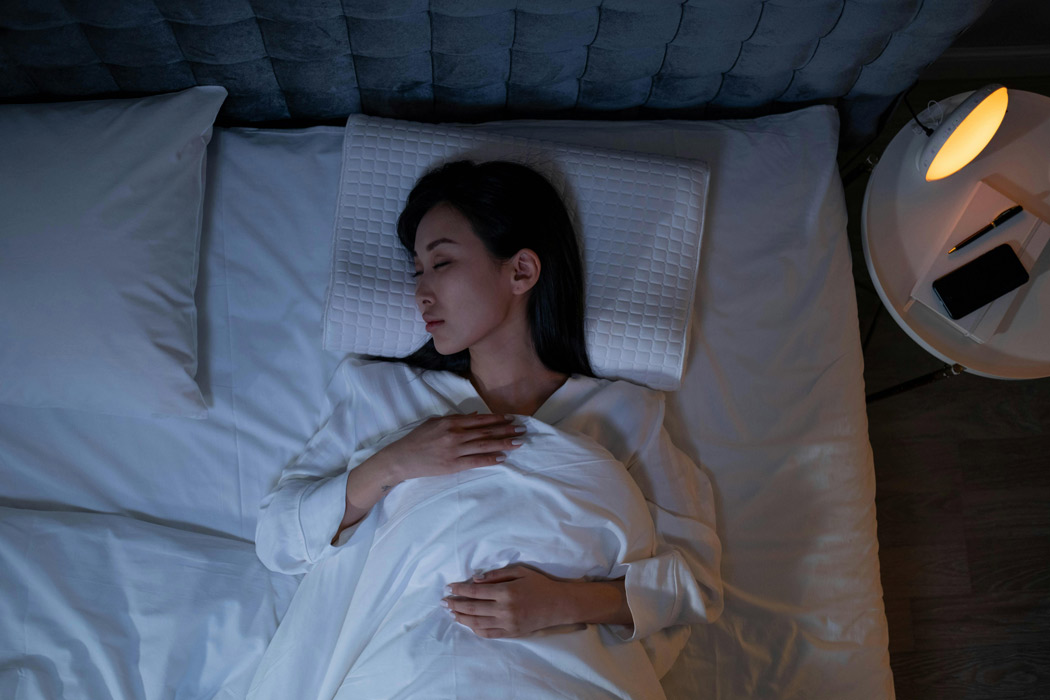
Everyone possesses a natural circadian rhythm. However, if you find yourself lying awake at night struggling to drift off, or waking suddenly at 3 a.m. with racing thoughts, your internal clock may be out of sync.
In the documentary series Australia’s Sleep Revolution With Dr Michael Mosley, researchers recommend ‘bedtime restriction’ — stay up until you’re truly tired so your brain equates your bed with sleep, not tossing and turning. The result? Faster sleep, deeper rest.

AI-generated image of foods that help promote better sleep
2) Watch Your Diet
What you put in your body affects how you sleep. Get more fibre and protein in your diet. If possible, cut off eating big meals four hours before lights out and keep booze to a minimum.
In How to Sleep Better, Dr Rupy Aujla advocates avoiding caffeine after 12 p.m. Caffeine has a half-life of six to eight hours. A cup at noon means half an espresso’s worth is still in your system at 8 p.m.
He also recommends eating foods rich in tryptophan, such as chicken, turkey, and eggs. Tryptophan helps produce melatonin, but it needs carbohydrates to actually penetrate the brain and convert into the hormone. Eating a carb-rich, starchy evening meal (like sweet potatoes) three to four hours before you sleep is highly recommended. But try to avoid refined carbs just before bedtime as they can cause blood sugar spikes and lead to higher cortisol levels.
3) Skip the Daytime Snooze
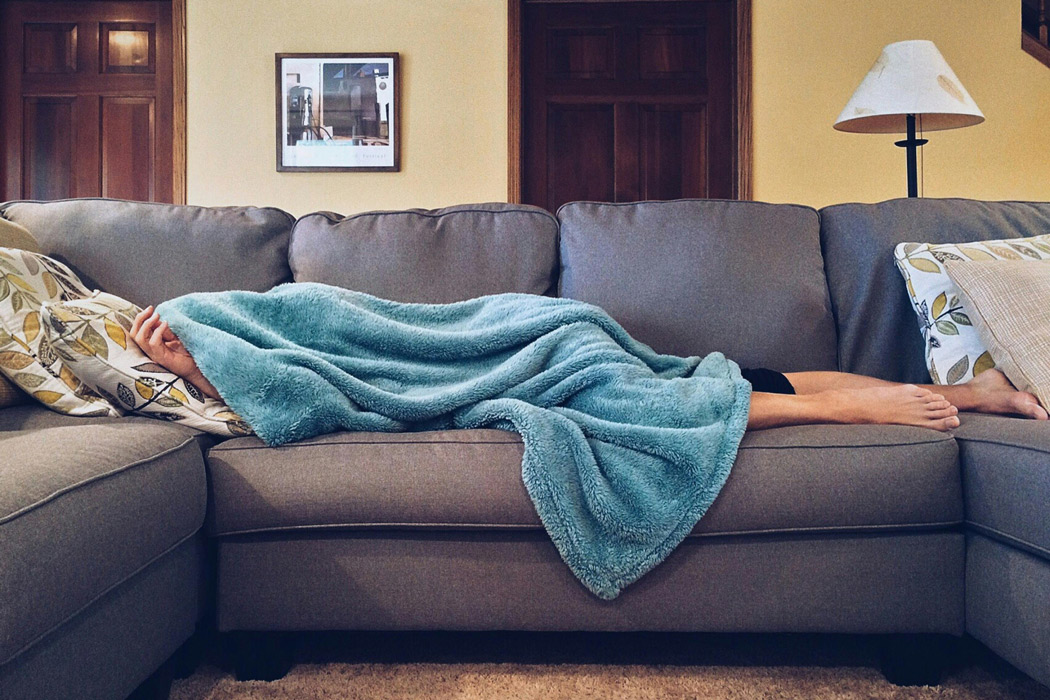
We get it — naps are tempting. But stealing Zzzs in the afternoon can sabotage your nighttime sleep. During the show, participants who napped found it harder to go to bed at night. So even though it may be tempting, skip the nap. Power through the day, and reward yourself with a proper night’s sleep instead.
4) Try Light Therapy
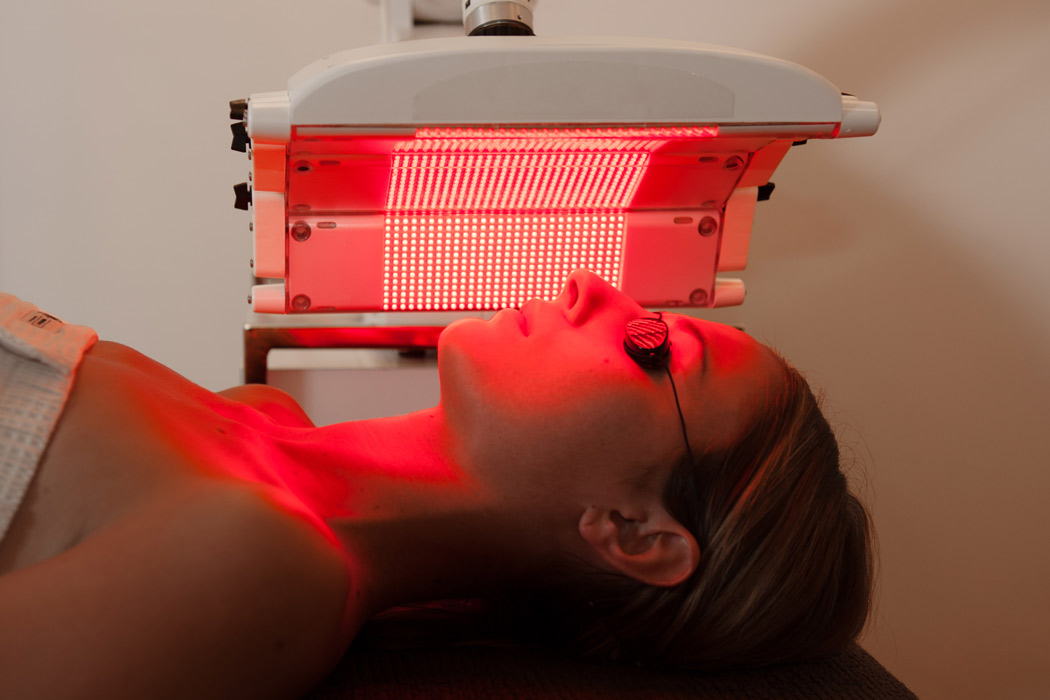
Light is one of the most powerful signals for your body clock. It tells your body when it’s go-time and when it’s bedtime. Get plenty of sunlight during the day to stay alert, then dim things down at night. Struggling with middle-of-the-night wakeups? Tools like light-blocking glasses in the morning or light therapy gadgets at night can help retrain your rhythm.
5) Put Away Your Phone
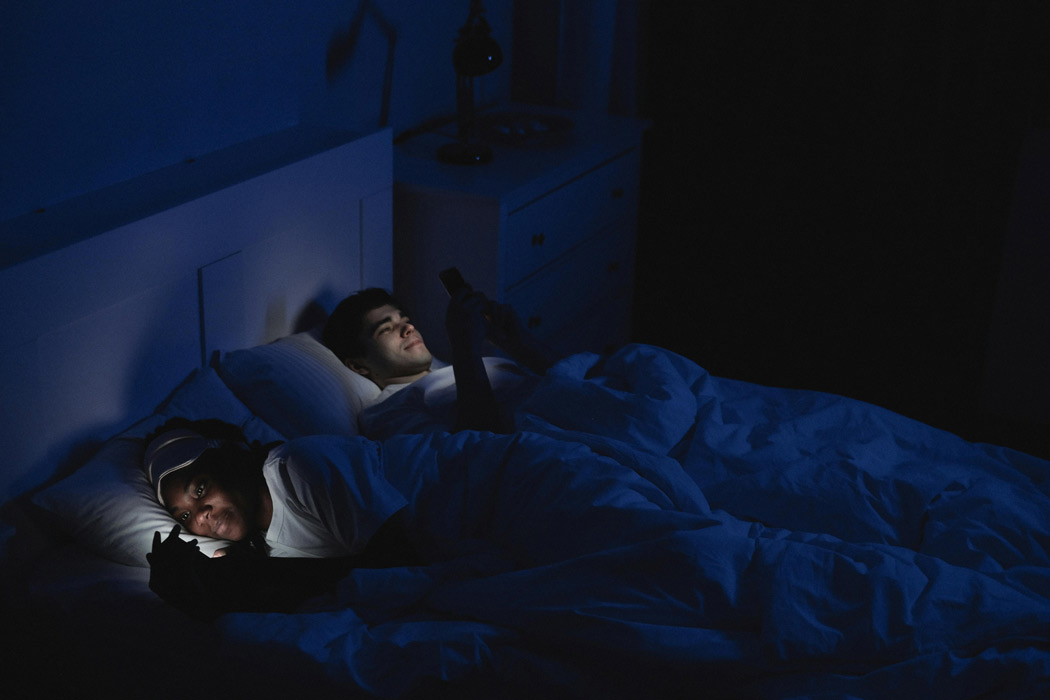
Before the dawn of smartphones, some people fell asleep with the television on. Now that we have the might of the internet in our pockets, it’s even harder to turn it off. Both are bad for sleep, but the idea is the same — avoid external stimuli before bed.
The light from your phones can also adversely affect your sleep and disrupt melatonin production. Doomscrolling keeps your mind stimulated and makes it harder for you to doze off. Set your devices aside 30–60 minutes before bed and let your mind cool off naturally.
In Conclusion
Good sleep isn’t magic — it’s a habit to be built. If the insomniacs in Australia’s Sleep Revolution could reclaim their nights, so can you. Make these tweaks, and your well-rested self will thank you.
TV Show Listing
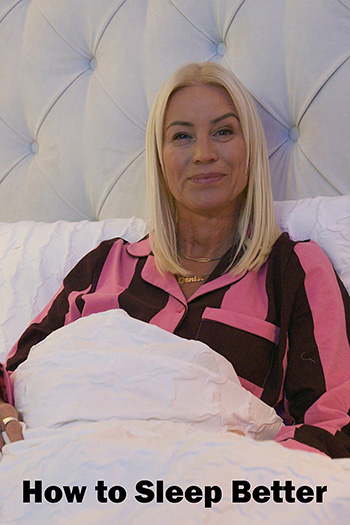
How to Sleep Better
This empowering and visually engaging one-off special tackles our modern day sleep crisis. The film blends relatable transformation stories, and myth-busting science to deliver clear, actionable advice viewers can apply immediately. Investigating why we're a nation of bad sleepers and sharing the science that will dramatically transform even serious insomnia. From food and hormones to stress, menopause and sleep tech, the programme uncovers what’s really keeping us awake, and why our obsession with fixing sleep may be making it worse. With a mix of observational filming and expert consultation from leading sleep experts, this documentary demystifies sleep science and shows how small, evidence-based changes can transform not just our nights - but our lives.
View DetailsHow to Sleep Better
 Documentary
Synopsis
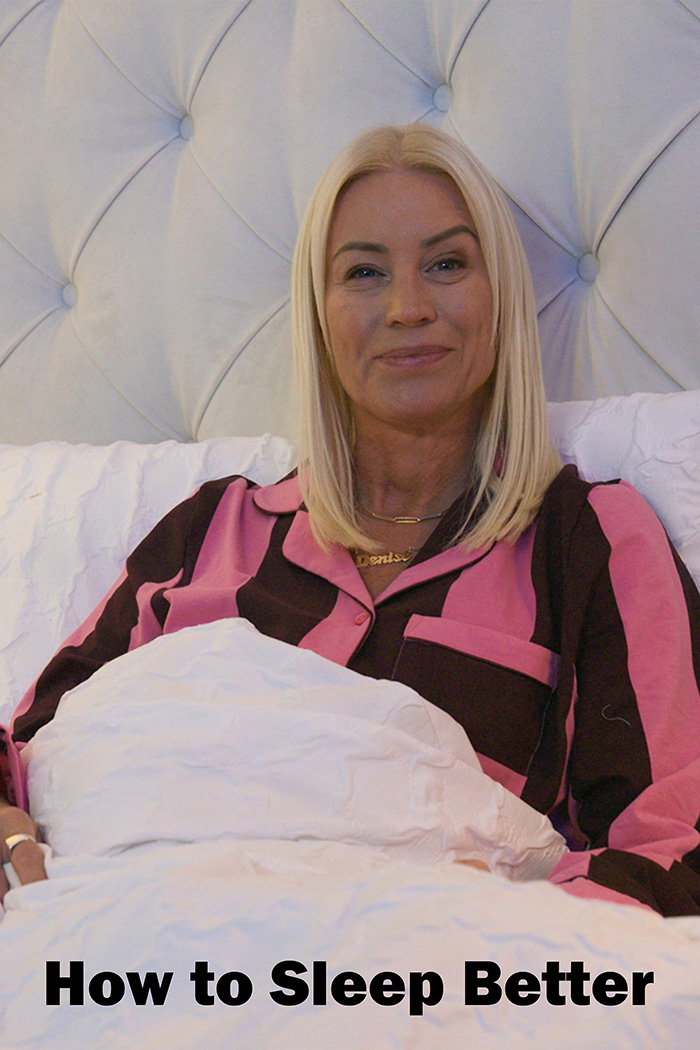
This empowering and visually engaging one-off special tackles our modern day sleep crisis. The film blends relatable transformation stories, and myth-busting science to deliver clear, actionable advice viewers can apply immediately. Investigating why we're a nation of bad sleepers and sharing the science that will dramatically transform even serious insomnia. From food and hormones to stress, menopause and sleep tech, the programme uncovers what’s really keeping us awake, and why our obsession with fixing sleep may be making it worse. With a mix of observational filming and expert consultation from leading sleep experts, this documentary demystifies sleep science and shows how small, evidence-based changes can transform not just our nights - but our lives.
Catch this title under: Health & Wellness
Cast: No Cast Available
Audio: English
Episodes
How to Sleep Better
This empowering and visually engaging one-off special tackles our modern day sleep crisis.
47m
Text: Raymond Tan, Georgia Ho
Images: Pexels(Andrea Piacquadio, cottonbro studio, SHVETS production), Pixabay.