Beloved by everyone from professional athletes to everyday health enthusiasts, these alternative wellness therapies offer novel ways to unwind and recharge.

From plunging into icy water to spending an hour floating in near-total darkness, a new generation of wellness therapies is inviting us to rethink what it means to rest. 

Rather than simply slowing down, these treatments aim to stimulate the body’s natural processes of recovery, using everything from extreme temperatures to oxygen deprivation and sensory isolation.

The appeal is easy to understand: in a world where switching off can feel almost impossible, these therapies promise a more deliberate — and rapid — route to restoration. 

While research into many of these treatments is growing, some of the more ambitious claims about how well they actually work have yet to be established.

Think of these alternative wellness therapies as part of a broader approach to wellbeing. They’re complements to — not replacements for — the fundamentals of good sleep, movement, nutrition, and medical care.
Contrast Therapy
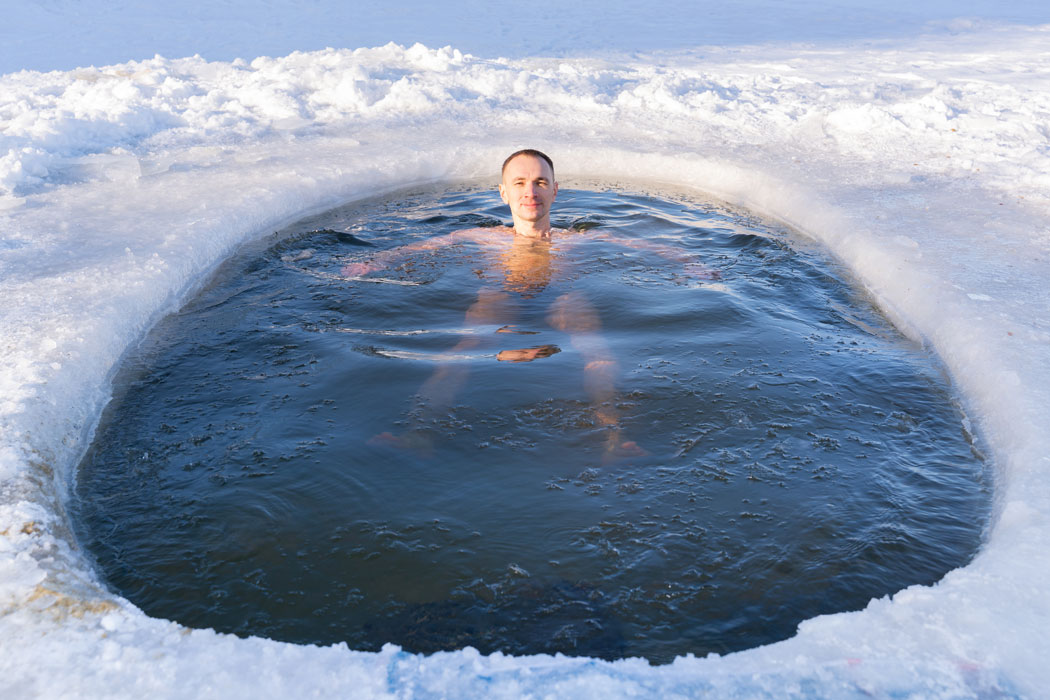
Hot, cold, hot, cold. Contrast therapy typically alternates between periods of heat and cold — saunas or hot baths, followed by cold-water immersion. The idea? That moving between temperature extremes encourages changes in blood-vessel constriction and dilation, potentially supporting circulation and helping the body recover after physical exertion.

Centuries-old bathing traditions, like Scandinavia’s sauna rituals, have long paired hot and cold for therapeutic effect: an icy jolt of cold followed by enveloping heat invites a powerful shift from stimulation to relaxation, leaving the body feeling both invigorated and deeply at ease.

Today, however, contrast therapy has found a particularly enthusiastic following among athletes who use it as a post-exercise recovery ritual. Research suggests it can reduce perceived muscle soreness and some measures of strength loss compared with passive rest, although studies have generally been small and vary in their protocols.

Sound Therapy
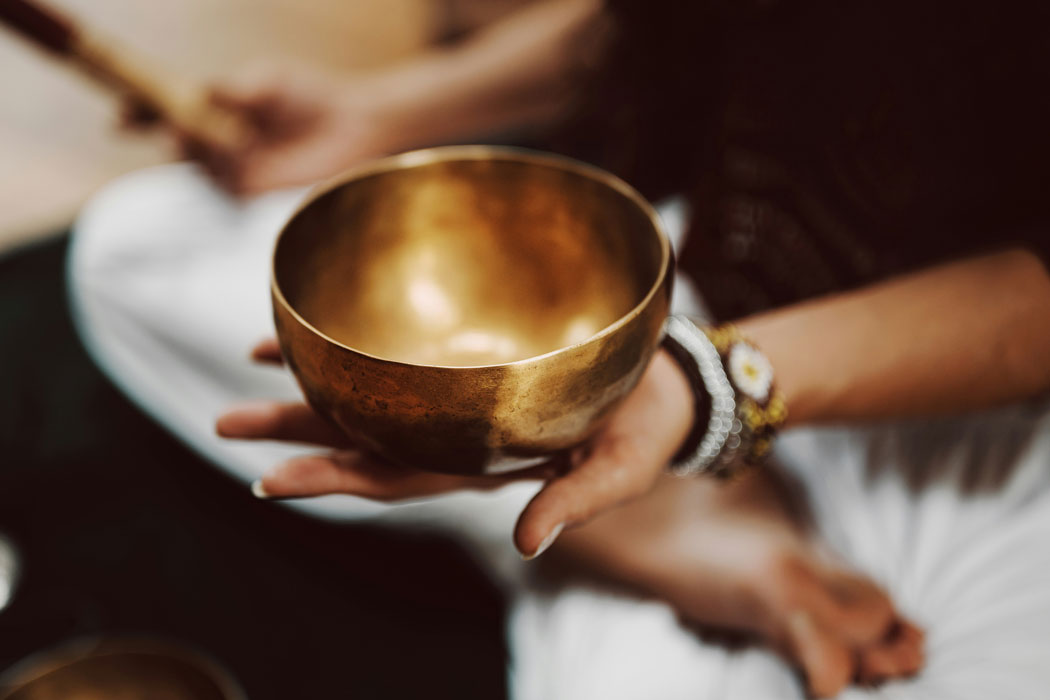
Sound therapy takes many forms, from singing bowls and gongs to carefully composed frequencies and ambient soundscapes, all aimed at encouraging relaxation and reducing stress. The idea isn’t exactly new: metal singing bowls have been part of Himalayan life for centuries, well before they became a fixture of Western meditation studios, while music has long been woven into rituals designed to alter mood and promote wellbeing.

Today, sound baths have become one of the most sought-after wellness rituals. Participants typically lie down, close their eyes, and let waves of sound wash over them as practitioners play instruments such as crystal bowls, gongs, and chimes. Some research suggests that sound therapy may help reduce stress and anxiety, and even support pain management.

Some wellness centres are even taking sound therapy to the next level — vibroacoustic therapy, for example, combines music with low-frequency vibrations delivered directly into the body through a specialised bed fitted with transducers that are synced to the audio. This helps to create the feeling of a gentle internal massage, leading participants into an even deeper state of relaxation.

Red Light Therapy
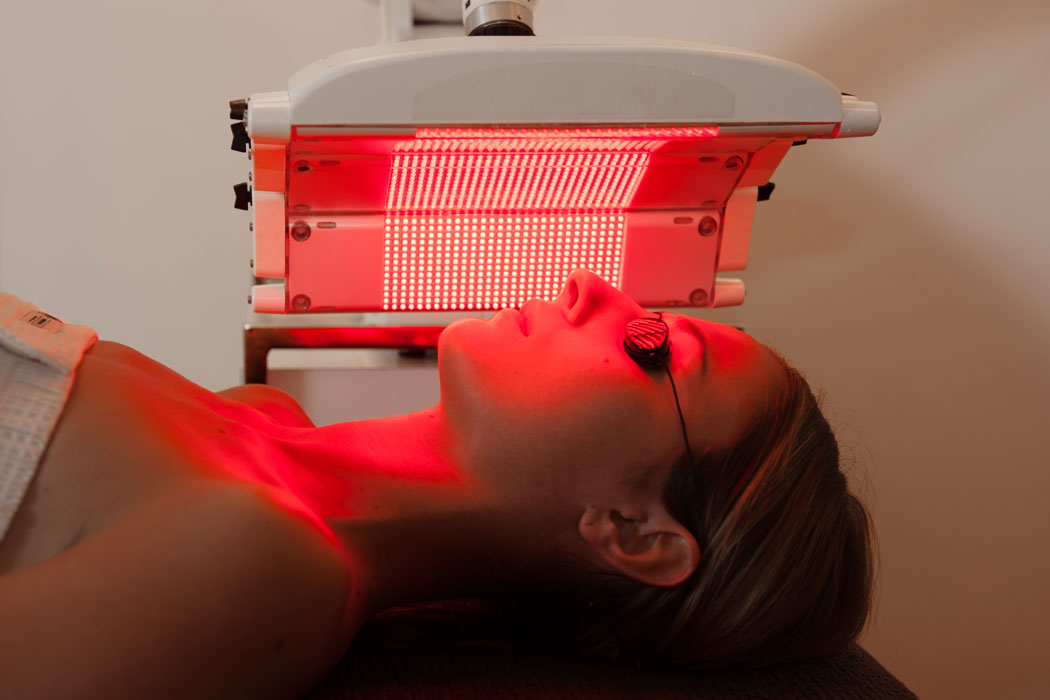
Red light therapy is about as low-effort as wellness treatments get: Simply sit beneath a panel, let red or near-infrared light wash over you, and relax.

Also known as photobiomodulation, this treatment uses low-intensity light to stimulate biological processes within cells. Researchers believe it interacts with the mitochondria — the tiny powerhouses inside our cells — potentially influencing energy production, blood flow, and inflammation.

The story began in the 1960s, shortly after the invention of the laser. In 1967, Hungarian physician Endre Mester observed that low-power laser light appeared to stimulate hair growth and wound healing in mice, laying the groundwork for modern photobiomodulation.

Today, red and near-infrared light are being explored for uses ranging from wound healing and pain relief to exercise recovery and sleep. It’s also found fans well beyond the recovery world: Kim Kardashian has shared her love of LED treatments, while Victoria Beckham and Hailey Bieber are among the stars who’ve made light therapy part of their beauty routines.

IV Drip Therapy
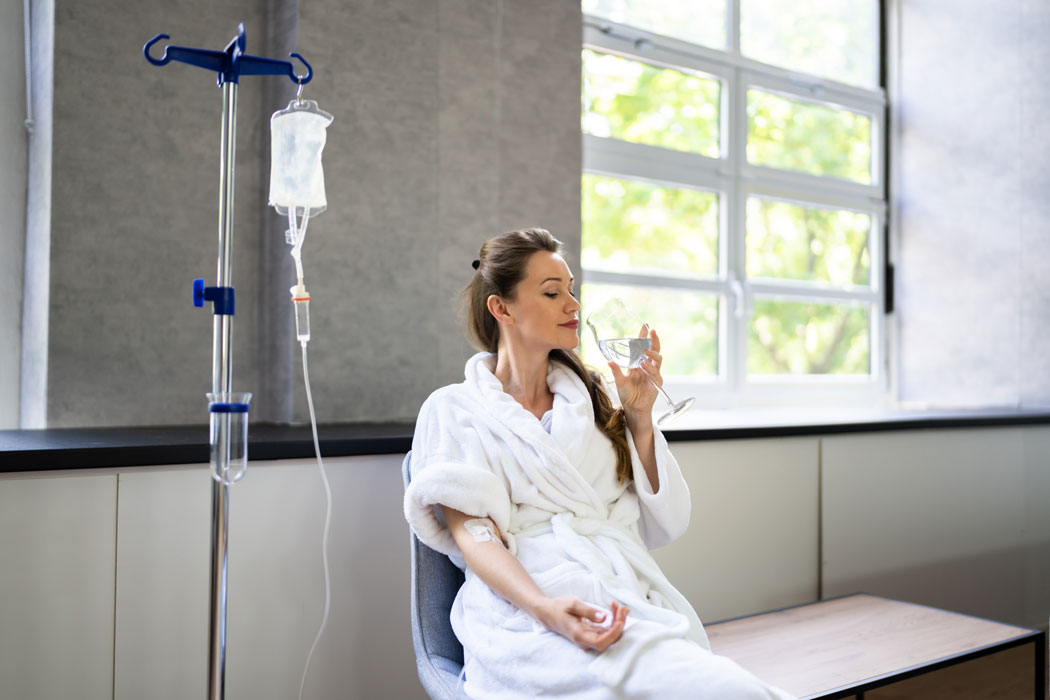
No longer reserved for hospital patients, intravenous (IV) drip therapy is now being used to deliver a speedy boost of vitamins and minerals into the body. 

By using an intravenous drip, these nutrients bypass the digestive system and enter the bloodstream directly, letting the body absorb them much more rapidly. Popular IV fluid concoctions promise all sorts of benefits — hydration, an energy boost, faster recovery after travel, exercise, or just a late night. Solid evidence for most of these wellness claims, though, is still thin. This therapy is also the most invasive of all those on this list, so it’s wise to get medical clearance before trying this out. (In Singapore, IV drip therapy requires clinical oversight.)

Intravenous therapy itself is nothing new — it’s been a cornerstone of modern medicine for decades, used to deliver essential medication and nutrients when patients need them. Its wellness incarnation, however, has turned the humble hospital drip into a lifestyle trend, with the likes of boutique IV bars and mobile services offering menus of vitamin-infused concoctions. Regulation of that side of the business varies widely from place to place, and health authorities have raised real concerns about unlicensed staff and unsanitary conditions at some of the less scrupulous operators — reason enough to pick a licensed, medically supervised provider over the cheapest drip on offer.

For those who enjoy a little extra help getting back on track, IV therapy offers a convenient way to replenish fluids and nutrients — no supplements to swallow, no elaborate routine required. Simply sit back, let the drip do its thing, and emerge fresh and ready to get on with your day.

Sensory Deprivation
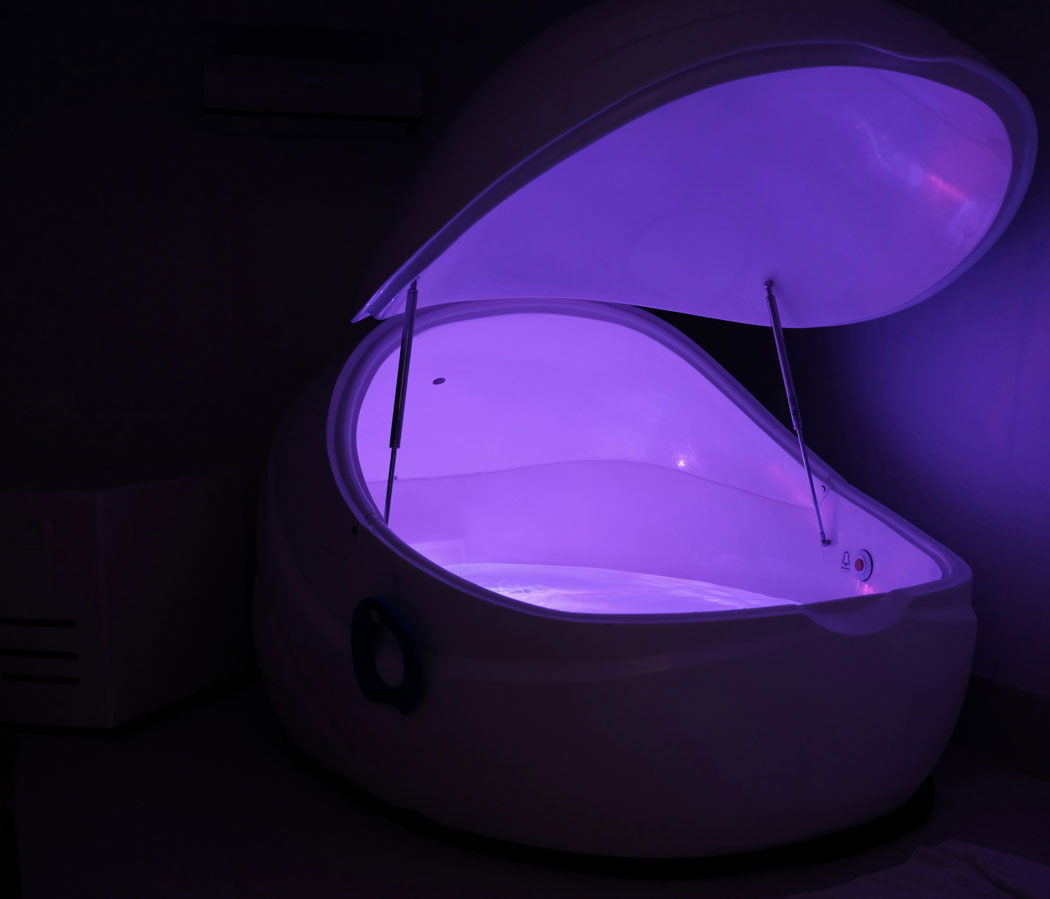
What if the best way to rest were to simply remove everything? In a flotation tank, you lie weightlessly in warm, highly saline water inside a dark, quiet environment. There’s little to no light, sound, or physical pressure to process, leaving the mind with the sweet luxury of something it rarely gets these days: absolutely nothing to do.

The roots of flotation therapy stretch back to the 1950s, when American physician and neuroscientist John C. Lilly experimented with sensory-deprivation tanks. Early research explored what happened to perception and consciousness when external stimulation was dramatically reduced; later versions evolved into the more comfortable float pods used today.

Modern flotation-REST (restricted environmental stimulation therapy) is being investigated for stress, anxiety, pain, athletic recovery, and general wellbeing.

Interestingly, researchers have also explored its potential to boost creativity: by stripping away external distractions, flotation may give the mind the space to wander, with studies spanning from creative thinking to altered states of consciousness. 


Check out Health & Wellness to learn more about longevity, rest, and recovery.

Text: Arista Kwek
Images: Unsplash (THLT LCX, Galen Crout)